Ranges and Ovens
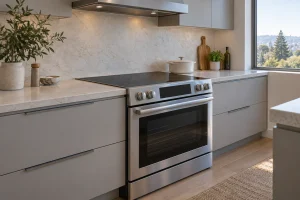
Freestanding and slide-in ranges, single, double and combination wall ovens: what the LG lineup looks like and what we check when one…

Specialized LG Appliance Repair in San Francisco
Mon–Sat: 8:00 AM – 7:00 PM
From a slow preheat to a locked door, we find the cause first and put the repair in writing.
A range or wall oven has two hard jobs: hold a steady cooking temperature for hours and survive spills, self-clean cycles and a heavy door. When an LG oven misbehaves in a San Francisco flat or a Bay Area family home, the symptom usually points to one of a few systems. Our LG range and oven repair starts with the symptom, confirms it on site, and ends with a written estimate that you approve before any part is replaced.
On an electric model the bake and broil elements, the temperature sensor and the control board that switches them are the usual suspects. On a gas range the igniter, the safety valve and the gas supply reaching the oven burner come first. A slow preheat can also mean heat is escaping past a worn door gasket, so the seal gets checked before anything is condemned. The post on a slow oven preheat explains the same logic in plain language.
Pale cookies on one side and dark edges on the other point toward airflow or sensor trouble. Convection models depend on a fan that moves air around the cavity; one that drags or rattles changes results long before the oven reports a fault. See our note on an oven that cooks unevenly.
A gas burner that keeps sparking after it has lit is often wet or dirty at the ignition electrode, or its cap is not seated. One that never lights may have a failed spark module or a blocked port. The guide on a gas burner that keeps clicking separates what an owner can wipe from what needs a visit.
The lock motor and latch switch decide whether a self-clean cycle can start and whether the door opens afterwards. A door that stays locked, or a cycle that quits halfway, is a common reason for a call. Cooling-fan trouble during cleaning stops the cycle too, because the oven protects itself.
Blank displays, keys that ignore your finger, or a range that beeps without a reason can come from the control board, a damaged touch panel, a loose connector or an unstable supply. A brief power loss can also leave the clock flashing, which is not always a fault.
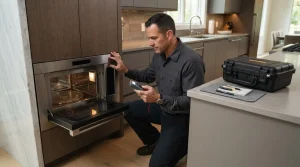
The visit begins with a conversation: when the symptom started, whether it shows cold or only after a long bake, and whether anything changed in the kitchen, such as a remodel, a moved range or a recent outage. The technician then confirms the symptom by running the appliance.
For a heating complaint that means checking whether the element or burner actually receives power or gas, whether the sensor reading makes sense, and how the door seal and fans behave. For a control complaint it means looking at the display, the panel keys and the wiring behind them. Only once the failing part is identified do you get a written estimate. Nothing is repaired without your approval, and you can stop at the diagnosis.
LG ranges show codes that start with F. A few are worth recognising because they narrow the search quickly.
Write the code down exactly as shown, with what the oven was doing at the time. A code is a clue, not a verdict.
Do not remove panels, probe wiring, touch gas fittings or bypass a door switch.
If you smell gas, leave the home, avoid switches and call the gas utility or 911 from outside. If you notice a burning smell, sparks or a scorched plug, turn the power off at the breaker and leave the oven alone. A door that will not close, cracked glass, or a flame that looks lifted or unusually large are also reasons to stop cooking.
LG sells many versions of what looks like the same range, and the board, igniter or lock assembly that fits one may not fit another. The label is usually on the oven frame, inside the door edge or on a drawer front. Our guide to finding the LG model number shows the common spots. Catalog examples include the LSEL6335LE electric range, the LSGL5831F slide-in gas range and the WCES6428N combination wall oven.
You send a request with the model number and the symptom. We confirm the time and what to clear: a path to the kitchen, space in front of the oven, and access to the gas valve or breaker panel. The technician checks the oven, explains what was found and puts the repair in writing. You decide. In multi-unit buildings, mention parking and door access beforehand.
See the lineup in LG ranges and ovens. Gas-top owners may also want LG cooktop repair, and a microwave above the range falls under LG microwave repair.
Some codes only record a brief interruption, such as a power loss, and clear on their own. Others involve heating, sensors or the door lock. If the code returns or the oven heats oddly, stop using it and note the code for the visit.
Let the oven cool completely and try again. If it stays locked, do not force it, because forcing can damage the hinge or glass.
Yes. We handle freestanding and slide-in ranges and single, double and combination wall ovens, gas or electric.
Always. The technician diagnoses first, you receive a written estimate, and nothing is repaired until you approve it.
We serve San Francisco and the surrounding Bay Area. Send your address with the request and we will confirm the visit.
Freestanding and slide-in ranges, single, double and combination wall ovens: what the LG lineup looks like and what we check when one…
Gas, electric and induction LG cooktops checked in San Francisco and the Bay Area: burners, zones and touch controls, with a written…
Water that will not drain, a door that will not latch or dishes that stay dirty? We diagnose LG dishwashers across San…
Long cycles, no heat or a dryer that will not start? We repair electric, gas and ventless LG dryers around San Francisco…
Over-the-range LG microwaves diagnosed in San Francisco and the Bay Area, covering heating, turntable, door, vent fan and keypad faults, with a…
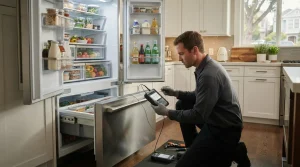
Warm food, frost, leaks or a slow ice maker on an LG refrigerator? We diagnose first, give a written estimate and repair…
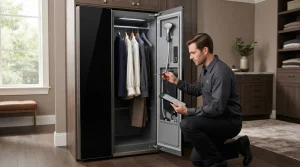
LG Styler steam closets diagnosed in San Francisco and the Bay Area: steam, door, airflow and sensor codes, with a written estimate…
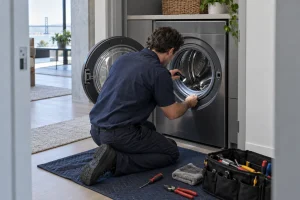
Front-load, top-load, SideKick and WashTower: we trace drain, door, noise and leak problems on LG washers across San Francisco and the Bay…
Share a few details and we’ll confirm an appointment. Prefer to talk? Call us and we’ll help right away.